Optimizing supply chain operations through intelligent procurement solutions, automated quality testing, real-time analytics, and data-driven decision-making tools
Introduction
In a landscape where trust, transparency, and precision define agricultural success, this platform reimagines grain procurement and quality assurance. By integrating AI-powered testing with digital procurement workflows, it empowers Farmer Producer Organizations (FPOs), buyers, and processors to make informed, real-time decisions across commodities like wheat and cumin.
Uses a 2D device capturing 4–5 high-resolution images.
Images processed by a separate AI model specialized in cumin grain characteristics.
Implementation Process
Device Integration
Custom-built hardware (2D/3D imaging devices) integrated with AI pipelines.
Model Training
Separate deep learning models trained for wheat and cumin datasets.
Cloud Deployment
Models deployed on inference servers (scalable via AWS/GCP).
Workflow Integration
Quality test results integrated into procurement transactions.
Pilot Testing
Conducted with FPOs to validate accuracy and usability.
Implementation Process
Accuracy
AI-driven quality testing improved reliability compared to manual inspection.
Speed
Reduced testing time from hours to minutes.
Transparency
Buyers gained real-time confidence in procurement decisions.
Scalability
Device + AI architecture enables onboarding of new commodities
Key Features and Functionalities
Admin / Distribution Planner Access
Secure authentication and login system for admin and distribution planners.
Password reset functionality for user convenience.
Indent Management
Ability to raise indents against trips and notify preferred transporters.
Automated allocation of drivers and vehicles by transporters.
Checklist validation and gate processes for trip management.
Integration with E-way bill generation and tracking systems.
Annual Auction Process
Creation and management of annual auctions with specified parameters.
Segmentation of transporters based on pickup-drop locations.
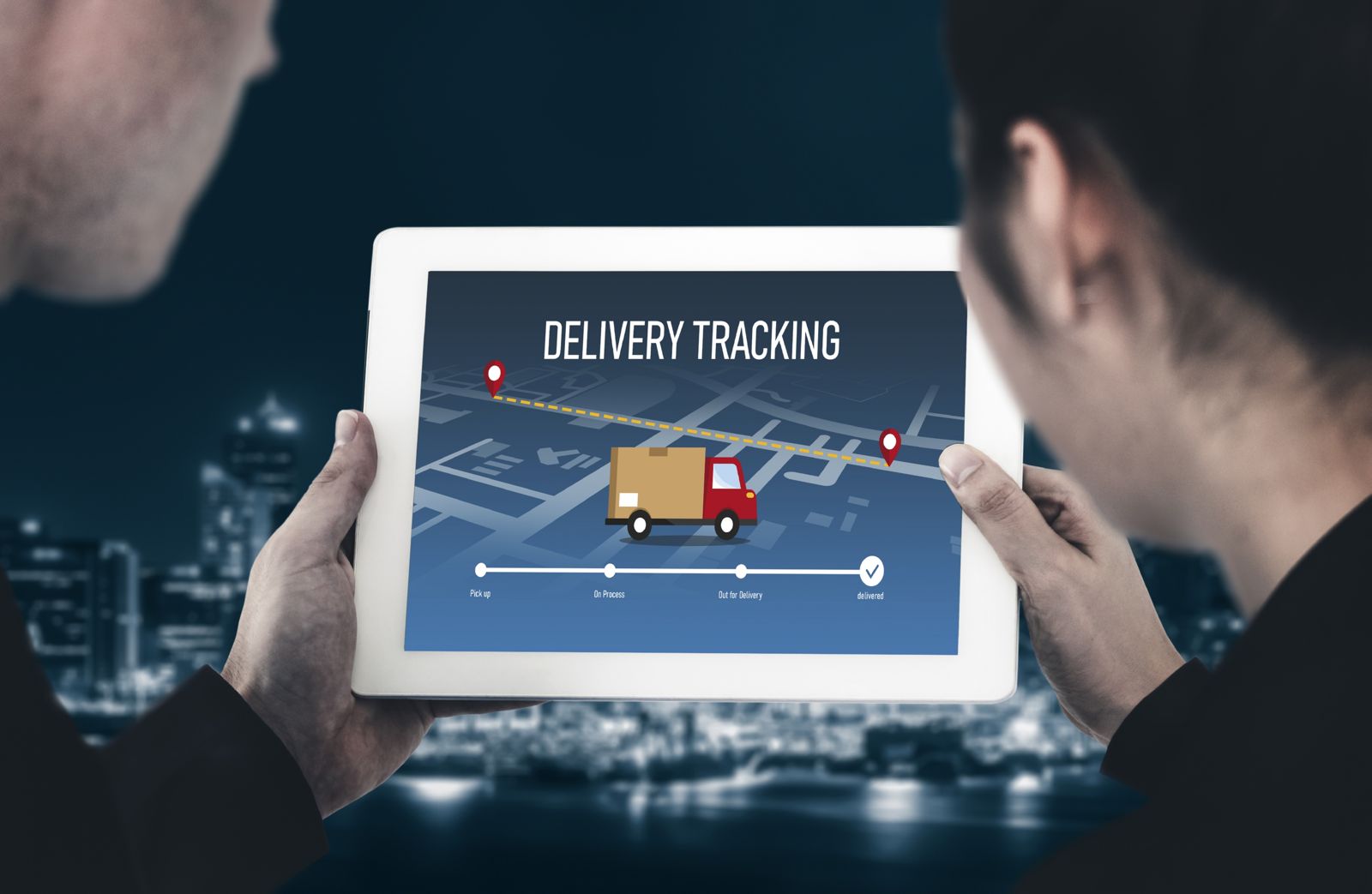
Real-time Tracking
Real-time tracking of vehicles on a map interface.
Geofencing for departure and arrival notifications.
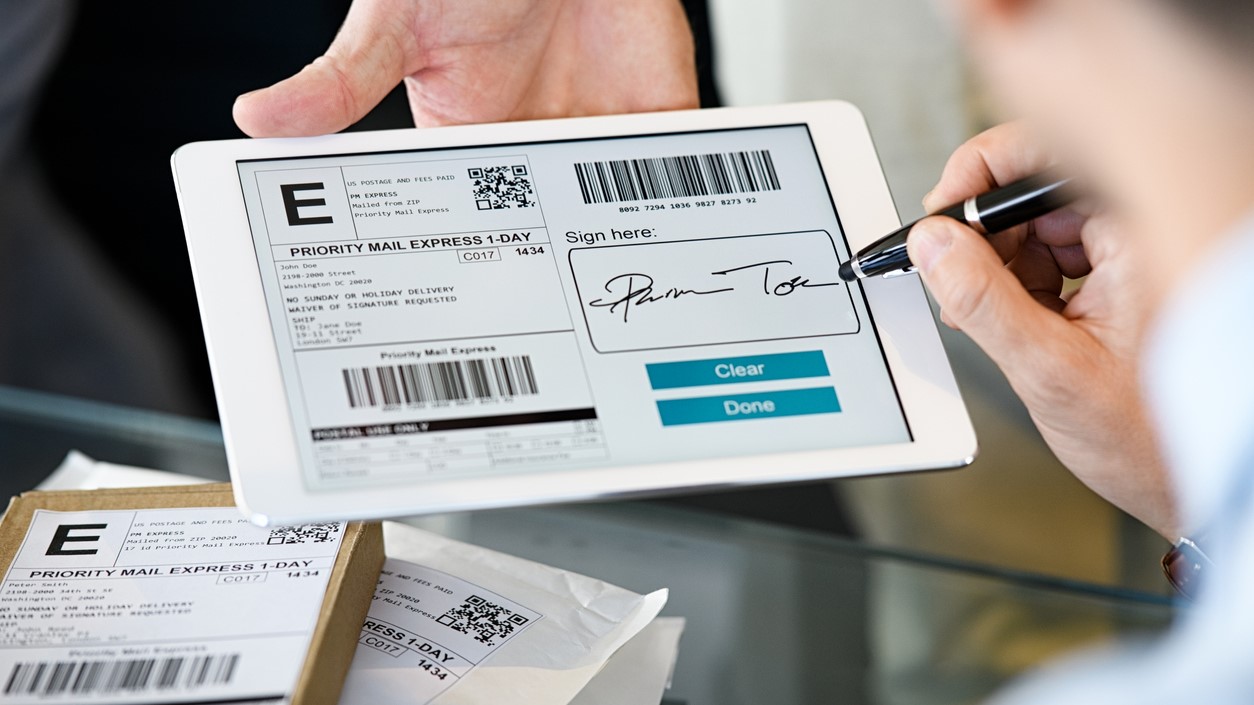
EPOD (Electronic Proof of Delivery)
Delivery confirmation and acknowledgment through SMS/email links.
Customer feedback and complaint management.
Invoice generation and delivery to customers.
Trip Management
Comprehensive trip listing and detail view.
Truck mapping on the map for specific trips.
Documentation management including POD and invoices.
Complaint Ticket Management
Ticket creation, tracking, and resolution management.
Customer notification of ticket status and response.
Dashboard and Reporting
Visualization of fleet statistics, alerts, and notifications.
Generation of reports such as shipment performance, customer satisfaction, and transporter performance.
Conclusion
The Fleet Tracking System has successfully transformed our logistics management processes, enabling improved customer responsiveness, streamlined operations, and standardized business practices. By implementing advanced tracking technologies, real-time monitoring capabilities, and comprehensive reporting tools, the system has enhanced decision-making, optimized resource utilization, and improved overall efficiency. Moving forward, [Company Name] remains committed to continuous improvement and innovation to further enhance the effectiveness and impact of the Fleet Tracking System.